+86 153 7870 3202
+86 153 7870 3202
Brake pads are the core of a vehicle’s braking system, and their lifespan depends largely on how we care for the pads themselves—from choosing the right type to monitoring their condition and handling maintenance properly. Unlike relying on driving habits, focusing directly on the brake pads ensures we address the root factors that affect their durability. Below are practical, pad-centric tips to help you get the most out of your brake pads.
Table of contents:
Choose Brake Pads Matched to Your Vehicle and Usage
Monitor Brake Pad Thickness Regularly
Keep Brake Pads Clean and Free of Debris
Replace Brake Pads in Pairs (and with Compatible Hardware)
The first step to extending brake pad life is selecting the right pads for your specific vehicle and how you use it. Mismatched pads not only wear out faster but can also damage other brake components (like rotors).
• Vehicle Compatibility: Never use generic brake pads—always opt for pads designed for your car’s make, model, and year. Manufacturers engineer pads to match the vehicle’s weight, braking system pressure, and rotor size. For example, a heavy SUV needs pads with stronger friction material than a compact sedan; using sedan pads on an SUV will force the pads to work harder, leading to rapid wear.
• Usage-Specific Pads: Tailor your pad choice to your driving scenarios. If you mostly drive in the city (with frequent stop-and-go traffic), organic or low-metallic pads are ideal—they handle repeated light braking without overheating. If you often drive on highways or tow trailers (needing longer, more consistent braking), semi-metallic or ceramic pads are better; their heat-resistant materials stand up to sustained friction. Using city-focused pads for highway towing, for instance, will cause the pads to degrade quickly due to excessive heat.
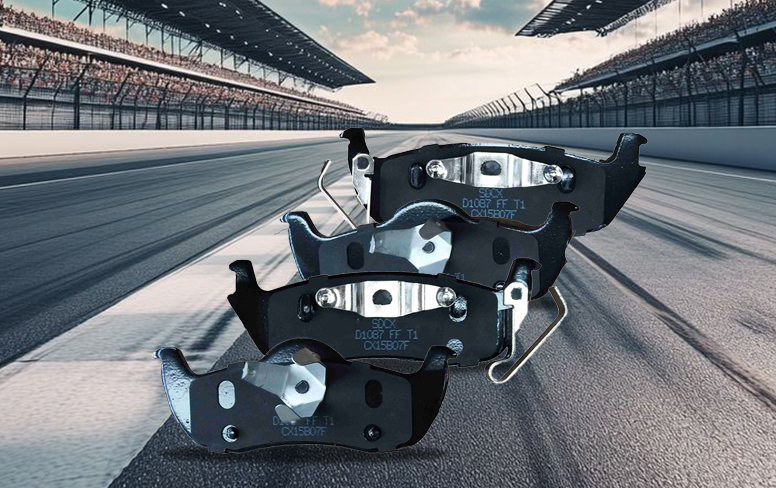
Brake pads wear down gradually, but ignoring their thickness until they’re completely worn can lead to irreversible damage. Proactive thickness checks let you replace pads before they reach a critical state, preventing premature wear and rotor damage.
• How to Check Thickness: Most modern wheels have gaps between spokes that let you see the brake pads (located between the caliper and rotor). A healthy brake pad typically has a thickness of 10–12 millimeters (about 3/8 inch). When the pad wears down to 3–4 millimeters (1/8 inch or less), it’s time to replace them. If you can’t see the pads clearly, use a flashlight or remove the wheel (if you’re comfortable doing so) for a closer look.
• Don’t Rely Solely on Wear Indicators: Many pads have a built-in metal wear tab that squeals when the pad is thin—but this is a “last-minute” warning. By the time you hear the squeal, the pad may already be worn to the metal backing, which can scratch and warp the rotor. Regular thickness checks let you replace pads earlier, before the wear indicator even activates.
Debris, dust, and grime can get trapped between the brake pad and rotor, causing uneven wear and reducing the pad’s friction efficiency. Keeping the pads clean ensures they make consistent contact with the rotor, preventing premature degradation.
• Regular Brake Dust Removal: Brake dust (a mix of pad material and metal shavings) accumulates on the pads and rotors over time. Use a soft-bristle brush (not a wire brush, which can scratch the pad surface) to gently wipe away dust from the pad edges and the area between the pad and caliper. For stubborn dust, dampen the brush with water (avoid using harsh chemicals—they can damage the pad’s friction material).
• Inspect for Foreign Objects: After driving on gravel roads, dirt paths, or construction zones, check the brake pads for small rocks, sticks, or debris that may have gotten stuck. Even a tiny stone between the pad and rotor can create a “pressure point,” wearing a groove into the pad and reducing its lifespan. If you find debris, carefully remove it with tweezers or a small tool—never drive with foreign objects in the brake assembly.
Overheating is one of the biggest enemies of brake pads. Excessive heat breaks down the pad’s friction material, causing it to wear faster (a problem called “pad glazing,” where the pad surface hardens and loses grip). Focusing on preventing overheating directly protects the pad’s structure.
• Let Pads Cool After Intense Braking: If you’ve been braking heavily (e.g., going down a steep hill, stopping suddenly multiple times), avoid coming to a complete stop immediately. Instead, coast for a few seconds before parking—this lets air flow over the pads and rotors, cooling them down. Parking while the pads are still extremely hot can cause the material to bond to the rotor, leading to uneven wear.
• Don’t “Drag” the Pads: A common issue that causes overheating is a stuck caliper, which keeps the pad pressed against the rotor even when you’re not braking. If you notice a burning smell from the wheels or your car pulls to one side when driving, the caliper may be stuck—have it repaired immediately. A stuck caliper will wear out the affected pad in weeks, rather than months.
When replacing brake pads, focusing on proper installation—specifically, replacing pads in pairs and using the right hardware—ensures even wear and avoids straining the pads.
• Replace Both Pads on an Axle: Never replace just one brake pad on a front or rear axle. If one pad is worn, the other is likely close to wearing out too. Using mismatched pads (one new, one worn) causes uneven pressure on the rotor, leading to the new pad wearing faster and the rotor becoming warped. Always replace both pads on the same axle to keep braking force balanced.
• Use New Hardware (and Avoid Reusing Old Clips): Brake pads come with small hardware, like shims and clips, that keep the pad aligned in the caliper and reduce noise. Many drivers reuse old hardware to save money, but this is a mistake—old clips can rust or lose tension, causing the pad to rattle or shift. Shifting pads wear unevenly and may not make full contact with the rotor. Always install the new hardware that comes with your brake pads, and if the hardware is missing, buy a compatible set from a trusted auto parts store.
Extending brake pad lifespan doesn’t have to depend on changing how you drive—it starts with focusing on the pads themselves. By choosing the right pads for your vehicle and usage, monitoring their thickness, keeping them clean, preventing overheating, and installing them properly, you can significantly increase their durability. These pad-centric steps not only save you money on frequent replacements but also keep your braking system safe and reliable—ensuring your pads perform their critical job every time you press the brake pedal.
RECENT NEWS
Sencheer Launches New Ceramic Brake Pads in August
Aug. 11, 2026
Subtle Chassis Refinement of Ceramic Brake Pads for BMW
Aug. 04, 2026
Sencheer Launches New Ceramic Brake Pads in July
Jul. 20, 2026
Custom Service
For the past 15 years, Sencheer is supplying the global market with custom brake pads using OE technology. Our customization range is wide and free, which covers logo, label, brand box, carton design, spraying code etc.
Contact Number
+86 153 7870 3202
Navigation
+86 153 7870 3202
Songjia Town Development Zone, Lingcheng District, Dezhou City, Shandong, China