+86 153 7870 3202
+86 153 7870 3202
Mercedes-Benz has long been synonymous with automotive excellence, blending luxurious comfort, cutting-edge technology, and unparalleled performance. Yet, behind the sleek design and powerful engines lies a component that is fundamental to both safety and driving dynamics: the brake pad. As the primary friction-generating element in the braking system, brake pads play a pivotal role in translating driver input into reliable stopping power, making their selection and maintenance essential for upholding the high standards that Mercedes-Benz owners expect. This article delves into the significance of brake pads for Mercedes-Benz vehicles, exploring the different types available and best practices for maintenance.
Table of contents:
How Brake Pads Function in Mercedes-Benz Braking Systems
Common Types of Brake Pads for Mercedes-Benz Vehicles
Maintenance Best Practices for Mercedes-Benz Brake Pads
How Brake Pads Function in Mercedes-Benz Braking Systems
At its core, the braking system of a Mercedes-Benz operates on a simple yet precise principle: when the brake pedal is pressed, hydraulic fluid transmits force to the brake calipers, which then clamp the brake pads against the rotating brake rotors. This friction converts the vehicle’s kinetic energy into heat, slowing or stopping the car. For Mercedes-Benz, a brand engineered for both daily commutes and spirited driving, this process must be seamless, consistent, and dependable. Substandard brake pads can compromise not only stopping distance but also the vehicle’s handling, comfort, and long-term durability—a risk that contradicts the brand’s commitment to excellence.
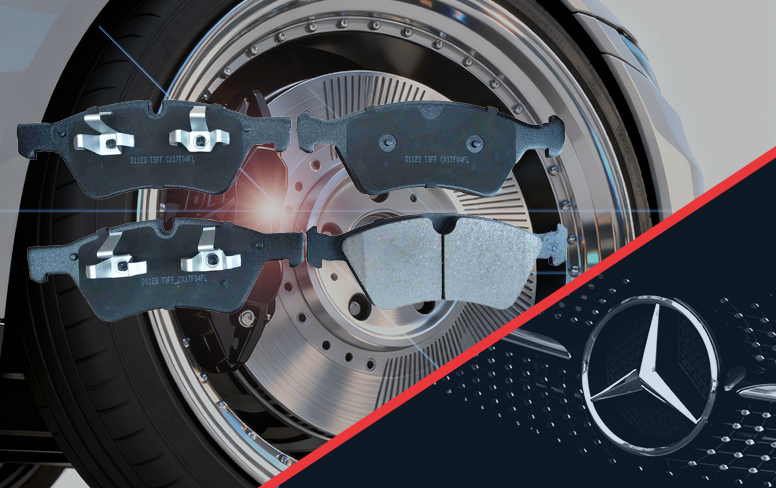
Common Types of Brake Pads for Mercedes-Benz Vehicles
When it comes to Mercedes-Benz brake pads, three primary material types dominate the market, each with distinct characteristics tailored to different driving needs: organic, semi-metallic, and ceramic. Organic brake pads, composed of fibers, glass, rubber, and resin binders, are known for their quiet operation and affordability. They produce minimal noise and are gentle on brake rotors, making them suitable for light-duty urban driving. However, their soft composition means they wear faster and generate more dust, making them less ideal for high-performance or heavy-use scenarios.
Semi-metallic brake pads, which contain 30-65% metal fibers mixed with organic materials, offer superior heat dissipation and durability. These pads excel in high-temperature conditions, making them a popular choice for Mercedes-Benz models driven aggressively or in hilly terrain. Their robust construction ensures longer lifespan compared to organic pads, but this comes with trade-offs: they tend to be noisier and more abrasive, potentially accelerating rotor wear over time.
Ceramic brake pads represent the premium option for most Mercedes-Benz owners, aligning perfectly with the brand’s focus on luxury and performance. Made from ceramic fibers, bonding agents, and small amounts of metal, these pads offer a balanced combination of quiet operation, minimal dust, and exceptional longevity. They can withstand temperatures up to 800℃ without significant performance degradation, ensuring consistent braking even during prolonged heavy use. Additionally, ceramic pads keep wheels cleaner—a key consideration for Mercedes-Benz owners who value the vehicle’s aesthetic appeal. While more expensive than organic or semi-metallic alternatives, their benefits make them the preferred choice for maintaining the vehicle’s original performance standards.
Maintenance Best Practices for Mercedes-Benz Brake Pads
Proper maintenance is another key factor in maximizing the lifespan and performance of Mercedes-Benz brake pads. Regular inspections are crucial—most Mercedes-Benz models are equipped with brake pad wear sensors that trigger a dashboard warning light when pads reach their minimum thickness (typically 3mm). Ignoring this warning can lead to metal-to-metal contact between the pad backing plate and rotor, causing costly damage and compromising safety. Other signs of worn pads include unusual noises (squealing, grinding), longer stopping distances, or vibration when braking.
Driving habits also impact brake pad longevity. Frequent abrupt stops, heavy acceleration followed by hard braking, and driving in stop-and-go urban traffic can significantly shorten pad life. Mercedes-Benz recommends avoiding such behaviors to extend the lifespan of brake components. Additionally, regular brake fluid checks and replacements are essential, as degraded fluid can affect hydraulic pressure and reduce braking efficiency.
In conclusion, brake pads are far more than a routine maintenance item for Mercedes-Benz vehicles—they are a critical component that safeguards the driver’s safety and preserves the vehicle’s performance heritage. Whether opting for genuine OEM ceramic pads or high-quality aftermarket alternatives, selecting the right brake pads and adhering to proper maintenance practices ensures that the vehicle continues to deliver the smooth, reliable driving experience that defines the Mercedes-Benz brand. By prioritizing brake pad quality and care, owners can uphold the brand’s legacy of excellence while enjoying peace of mind on every journey.
RECENT NEWS
Sencheer Launches New Ceramic Brake Pads in August
Aug. 11, 2026
Subtle Chassis Refinement of Ceramic Brake Pads for BMW
Aug. 04, 2026
Sencheer Launches New Ceramic Brake Pads in July
Jul. 20, 2026
Custom Service
For the past 15 years, Sencheer is supplying the global market with custom brake pads using OE technology. Our customization range is wide and free, which covers logo, label, brand box, carton design, spraying code etc.
Contact Number
+86 153 7870 3202
Navigation
+86 153 7870 3202
Songjia Town Development Zone, Lingcheng District, Dezhou City, Shandong, China